01
What Text only does and does not do
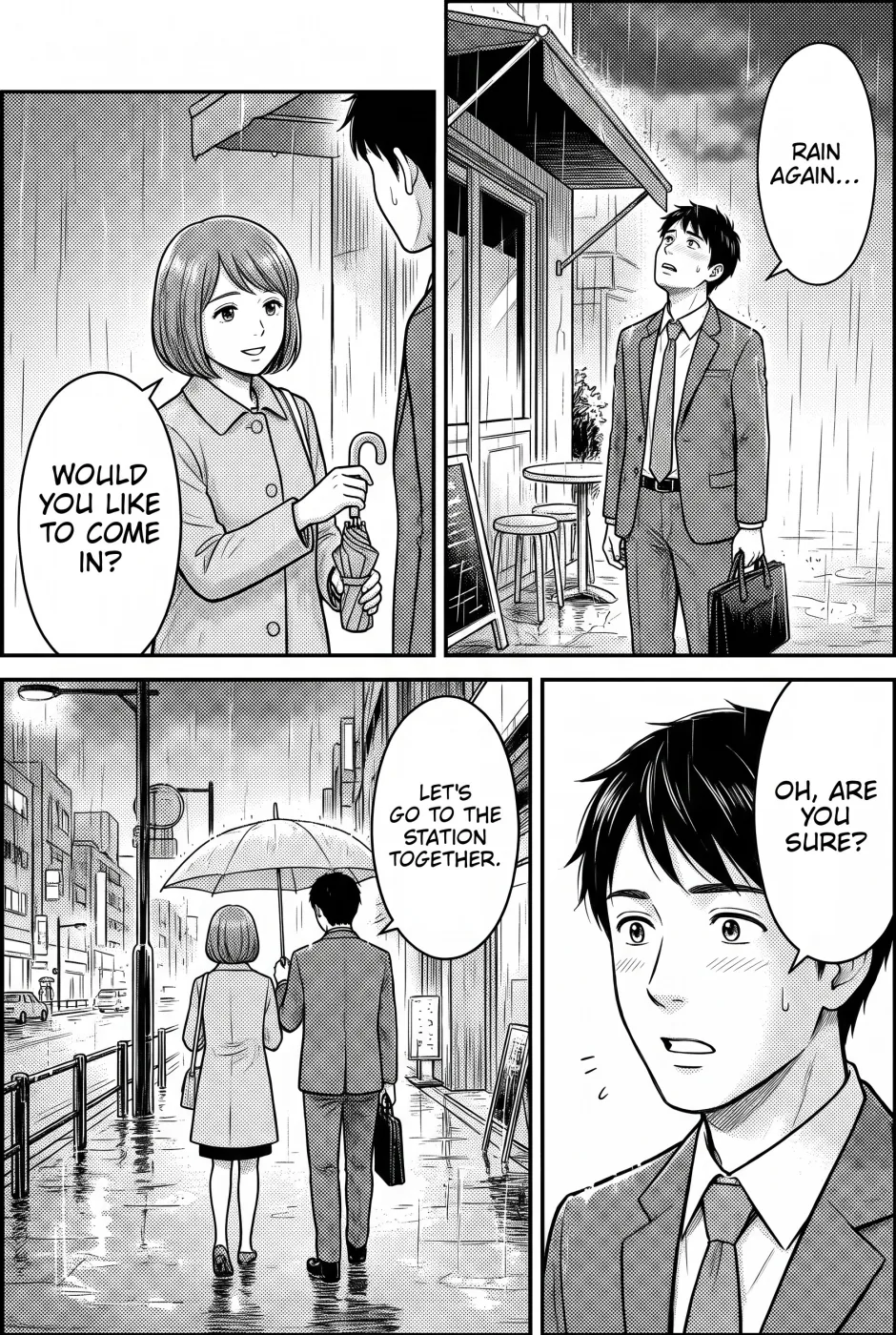
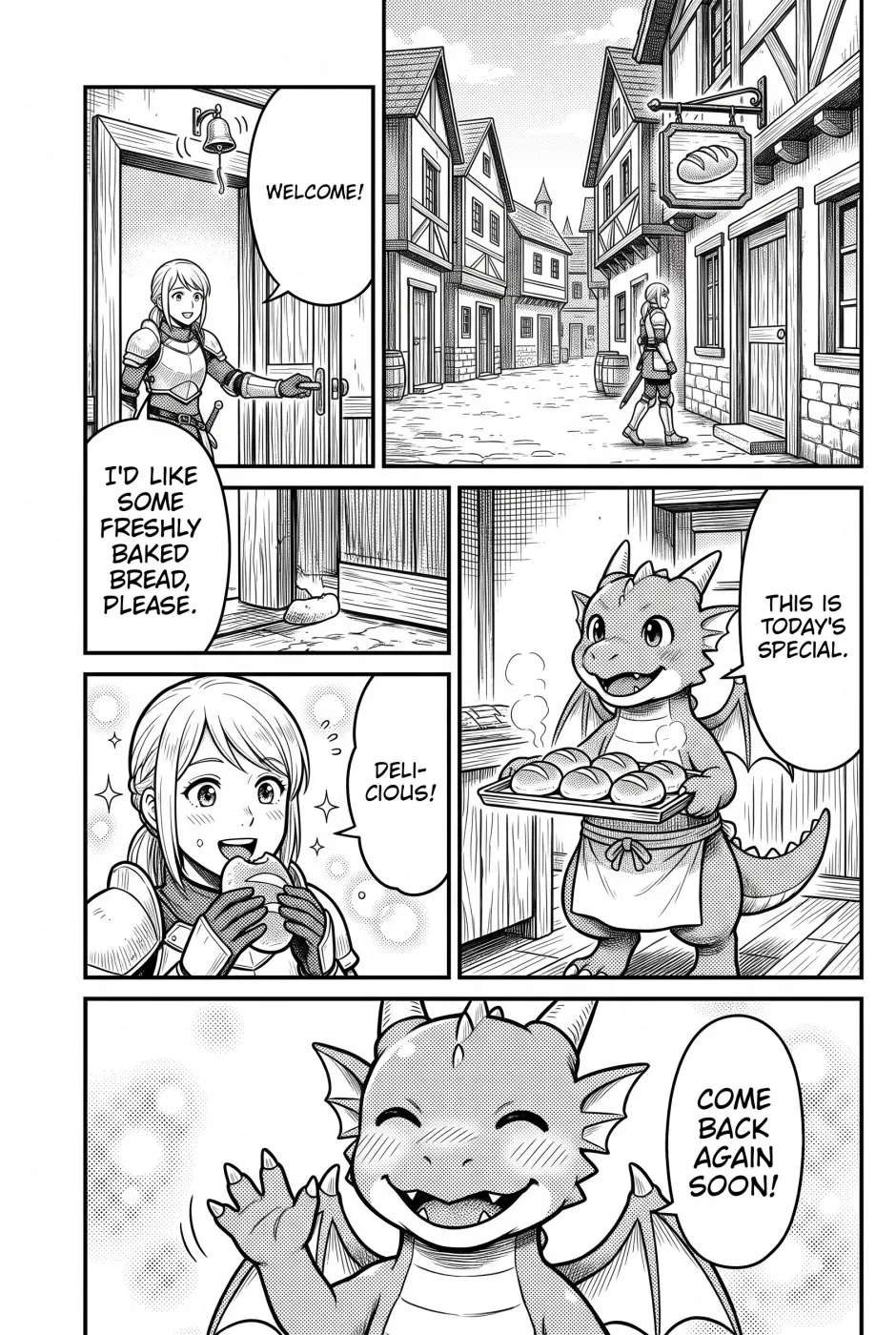
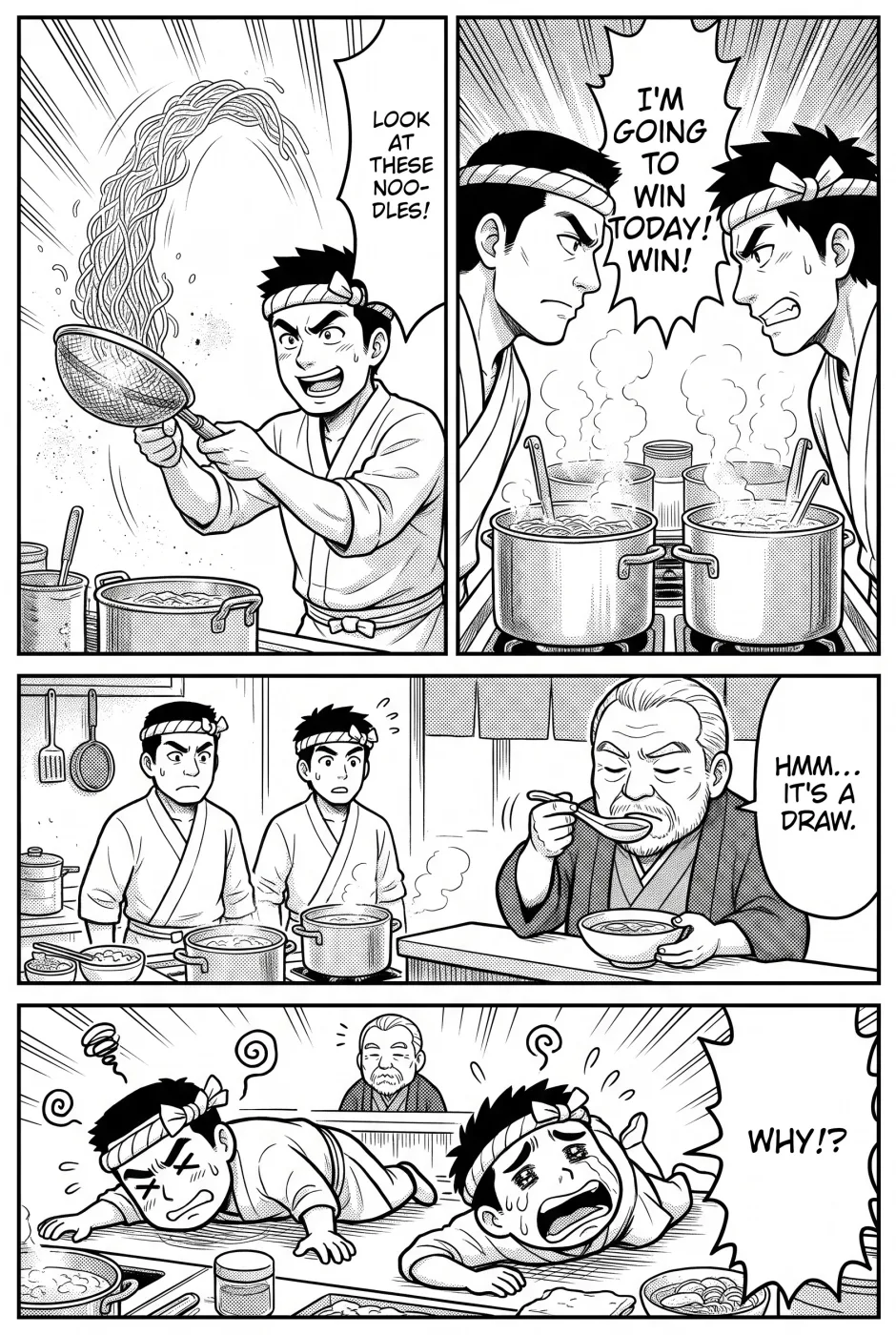
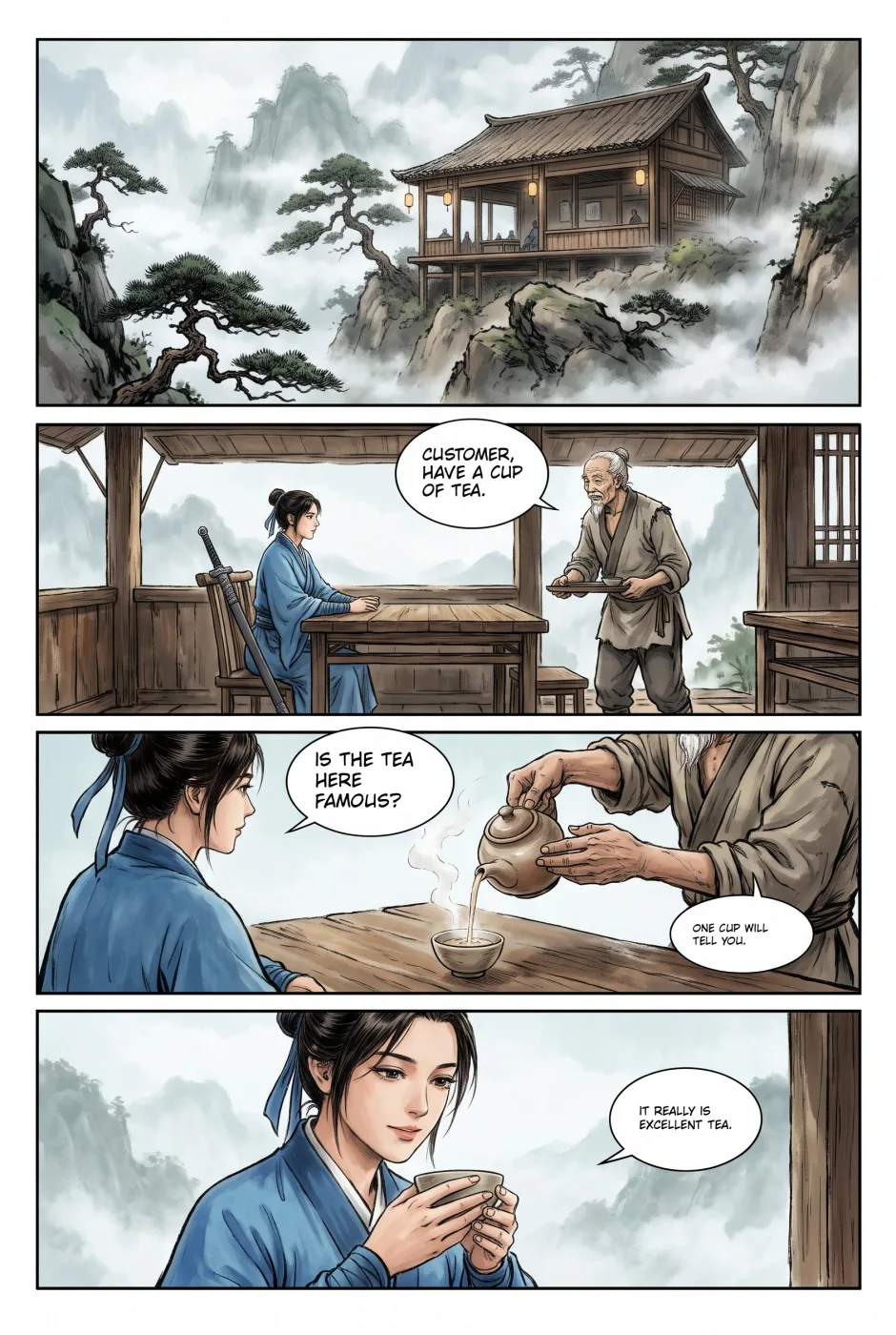
Text only runs the first part of the pipeline: find the bubbles and captions, read the text in reading order and pair each line with a translation. It skips cleaning the art and re-lettering, so there is no translated image, only the script. The glossary is not used in this mode. If you later want the finished page, run the same page in Standard or Quality.
02
Reading Japanese, Korean and Chinese text
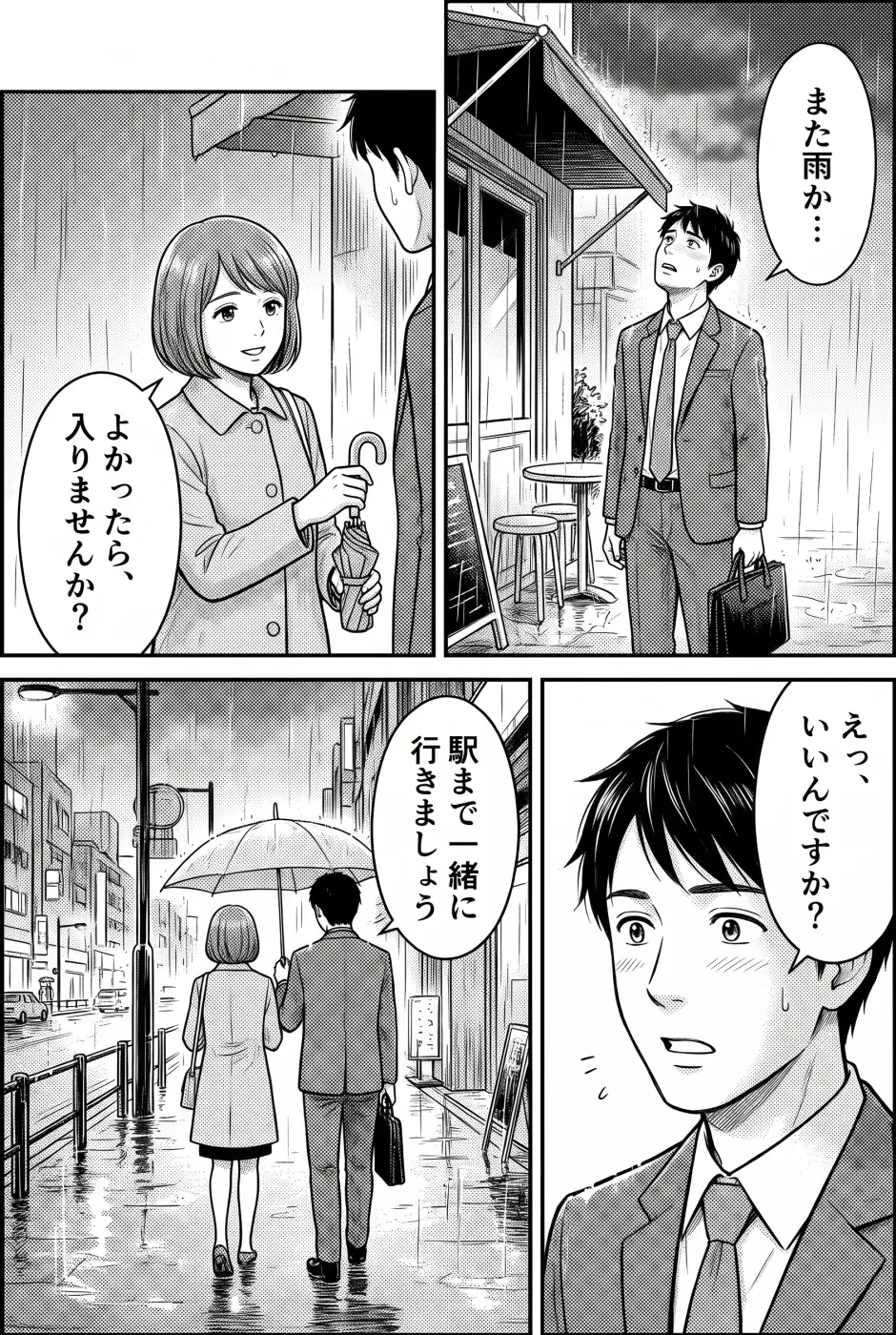
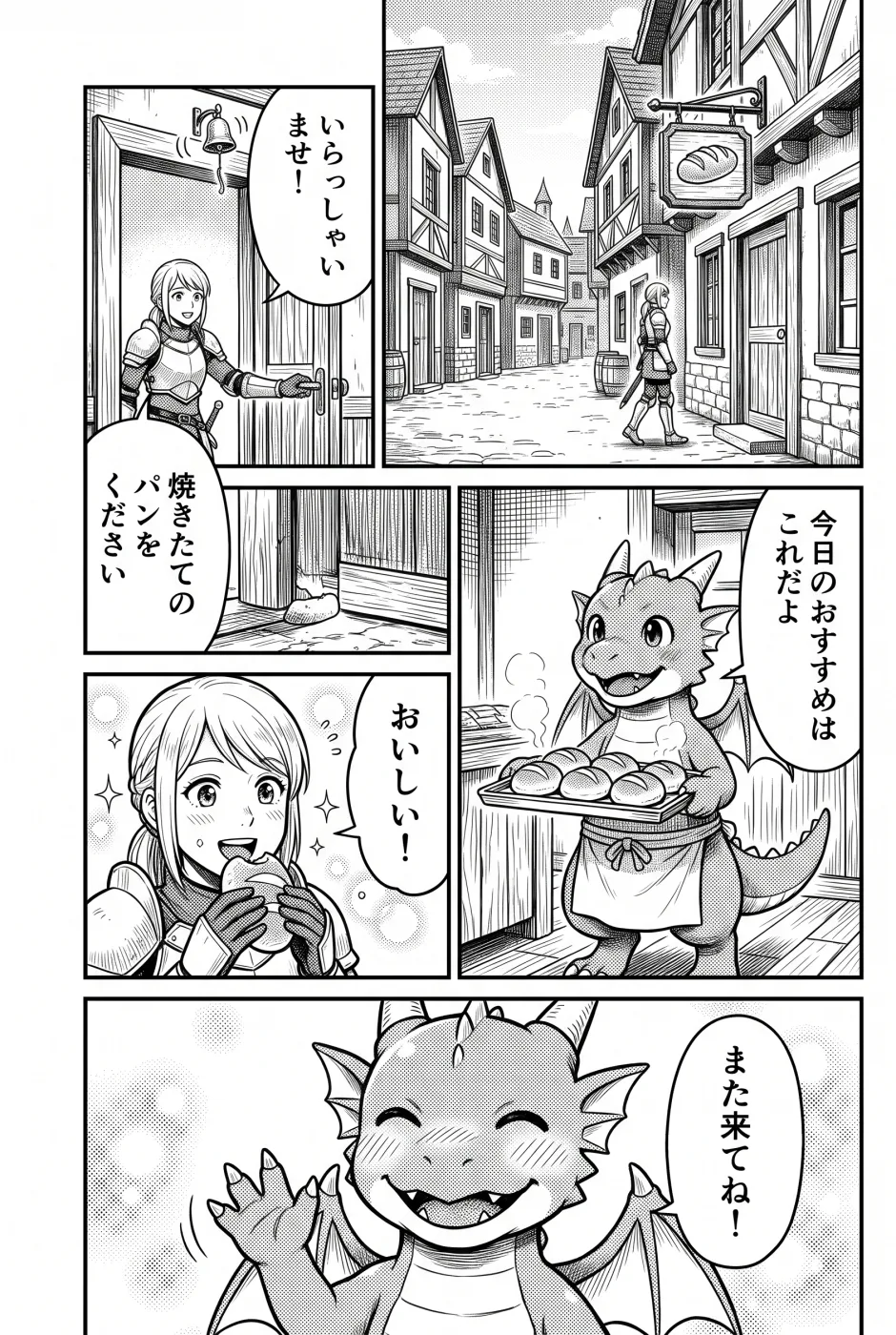
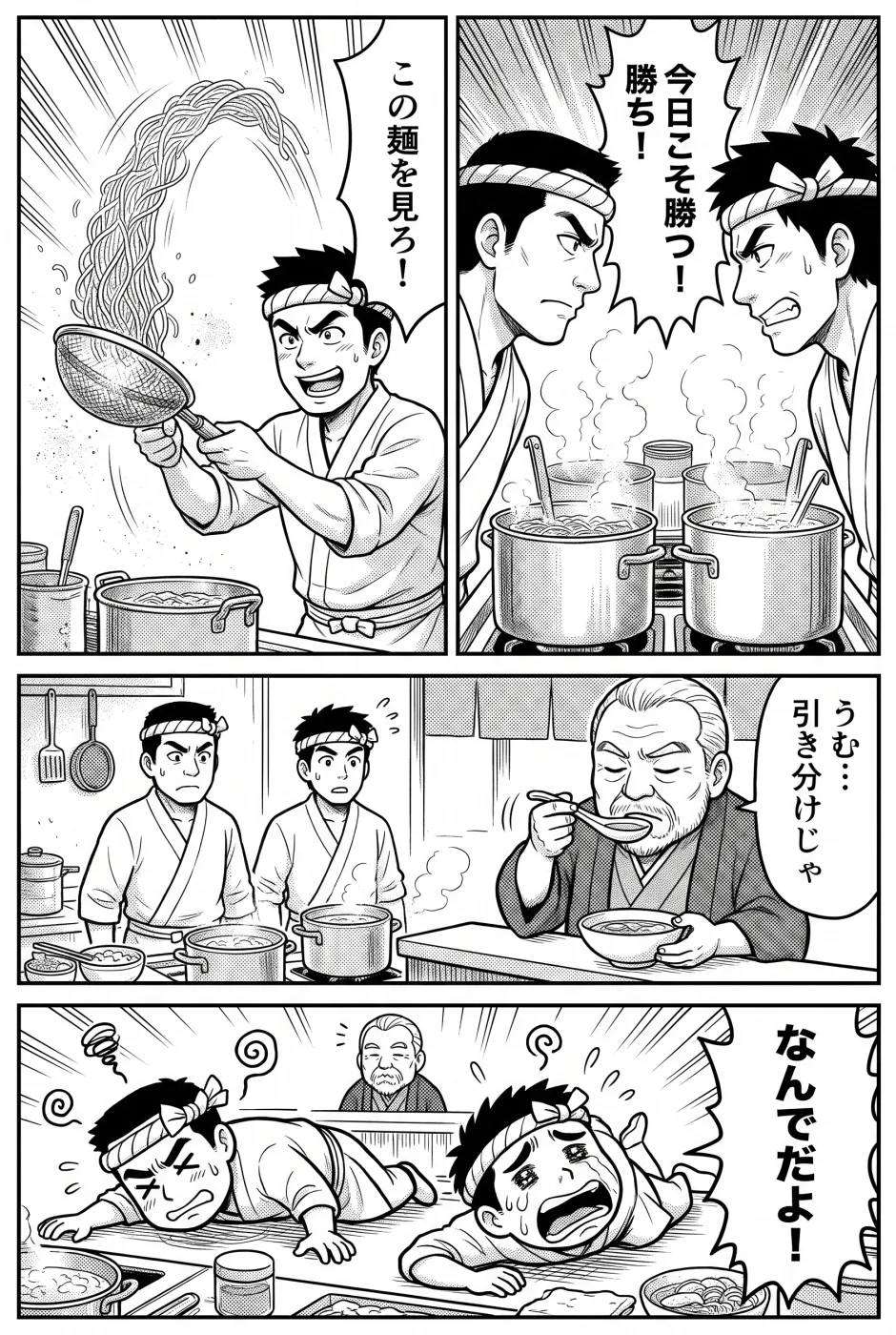
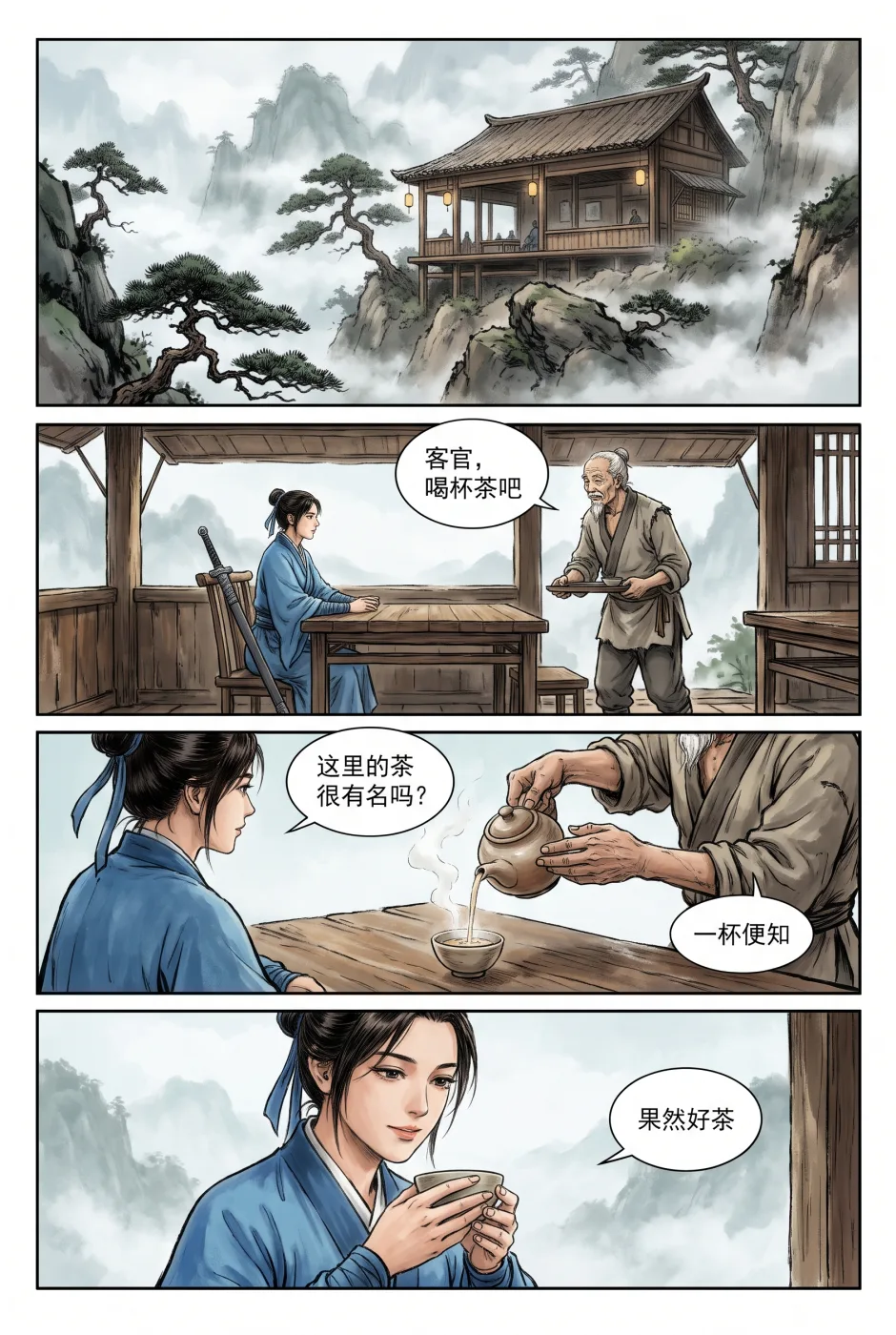
Japanese pages mix kanji, kana and Latin letters and are often set vertically, right to left; the reader handles both directions. Korean and Chinese are usually horizontal; Chinese can be simplified or traditional. Furigana beside kanji is sometimes picked up as part of a line, and very small text, handwriting and stylised sound effects are read less reliably, so check those against the page.
03
Using the script
The script is plain text, so you can paste it into a study deck, a translation document or your own lettering file. For learners, reading the original and translation together is a quick way to check a guess. For people lettering by hand, it is a starting draft to edit for tone and length before typesetting.